 Peachy pink satin pointe shoes … so beautiful! But they don’t stay that way for long do they? No, after a few hours worth of barre, your pointe shoes will be broken-in and start showing small signs of wear. That perfect amount of break-in only last so long before they start getting too soft and worn down.
If you are taking multiple pointe classes a week, your shoes could even be all used up in a week or even less! If you are still early in your pointe training, your shoes will last much longer – you may even grow out of them before they have a chance to get totally “dead” – but it’s still important to know how to look for signs of too much wear.
The reason that pointe shoes are unfit for wear at a cetain point is that they stop supporting the foot. That will put unnecessary strain and stress on the joints, muscles and connective tissues of your feet. Your pointe shoes are unfit for wear when they offer only minimal resistance in roll-through releve, when they stop supporting the arch and certainly when they allow the metatarsal to pop out of the throat of the shoe.
Some dancers prefer to keep their dead shoes for demi-pointe use during non-pointe ballet classes. This can help a dancer continue to become comfortable in a pointe shoes. Personally, I prefer a real soft shoe for ballet technique classes, but some might find the dead pointe shoes useful for training. Plus, they don’t have to buy soft shoes anymore.
Before storing your “dead” pointe shoes or giving them away as gifts, take some time to analyze how they broke-in. Did the shank break or break-down much more quickly than the box? You may need a stronger shank or possibly a higher vamp. Did the box break down before you got the shank broken-in? You might need a softer shank or even a lower vamp. Take note of how the features of the shoe worked for you throughout your working in them. Make a list of good and bad things you noticed about the break-in and bring it and the shoe’s brand and style name with you when you go for your next fitting. This information is invaluable in deciding whether you should move to a different brand or style or if you are having technique issues that need to be straightened out. Ask your teacher for help if you’re not sure how to make these observations.
Pointe shoes are expensive and breaking in new ones can be no fun, but your health and safety are paramount! Learn to recognize when your pointe shoes are beyond safe use and when it’s time to get re-fitted and buy new ones.
 Only When I Dance is an award-winning documentary presented this year that follows two desperately underprivileged dance students, a girl and boy, from one of the most violent and tragic favelas in Rio. The odds of these two young people succeeding are stacked strongly against them. Find out what happens when two children dare to dream of escaping to a better life through dance.
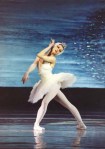 Sometimes it’s tough to remember what you are working towards with the endless classes, rehearsals and corrections. Every dancer could use some inspiration to keep focused and excited about dance, so with that in mind, I thought I’d take some time to feature for you some of today’s elite ballet artists.
 Hello dancers! The Fall/Winter semester is already about half over. Now is a great time to check in on yourself and your training. What’s working for you? Are you making progress in the areas that you need to?
 Let’s beat those Monday blues with some fashion today. If you’re in the mood for a stylistic pick-me-up,
 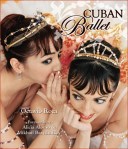 In order to reach their full potential as artists, many Cuban ballet dancers leave their country to escape the complicated politics of Cuba. And that nation’s loss has become the world’s gain as pointed out by noted dance critic and this book’s author, Octavio Roca.
  Ah, the ubiquitious ballet barre. But is it really needed for developing good technique? Why don’t other forms of dance use a barre? Where on earth did it come from?
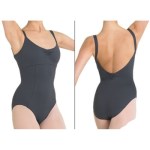 Sleek and sophisticated is what I think when I look at the construction of Bloch’s
  Toe pads are essential for most pointe students, but some can be bulky and prevent articulation. The
  Sheer Delights makes some lovely wrap skirts for young dancers, including this beautiful wine-hued
  It’s true! Dancers who begin their study with solid training in ballet are preparing themselves for maximum versatility for other dance genres. And
 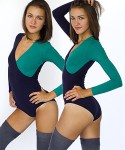 Are you a dancer who likes to buck tradition with a unique look? Fly that fashion freak flag with this cute but different leotard from American Apparel,
  BalletScoop