 The lingering effects of Darren Aronofsky’s dark creation, Black Swan, have become the bane of many dancers’ (and teachers’) conversations. Non-ballet goers now often react with shock when meeting a dancer or former dancer and may post outlandish questions about his or her lifestyle, thoughts and training. Though the majority of dancers only think of Black Swan as the imaginative fiction tale that it is, it has created an opportunity for dissatisfied dancers to capitalize on their unhappiness as one former student, “Hannah”, chose to do through Seventeen Magazine. (Check out School of Aspen Santa Fe Ballet director Melanie Doskocil’s thoughtful analysis of the article here with a link to Hannah’s article as well.)
Black Swan is not about ballet. It’s about a disturbed young woman with a dysfunctional life and the effects of those features as they play out against the backdrop of her career. Because ballet dancers often sacrifice typical teenaged pasttimes to reach their goals and are usually very focused, ballet became a target for the grand exaggeration the filmmakers wanted. Keep this in mind as you field questions from non-dancers and digest inflammatory articles.
There are happy and unhappy stories in all walks of life. Your ballet training has a lot to do with choices you make. If you look for a school that has the best interest of each student in mind, you will not find what Hannah described. And if you love ballet whether or not you want to go pro, you’ll dance instead of doing other things because you find that makes you happy – not because someone is making you or you have an obsessive disorder. The main character in Swan would probably have had just as tragic an end whether she made her living as a doctor, lawyer or pet groomer. Similarly, it is very likely that Hannah -due to her personality, emotional issues, upbringing or a combination – would have had the same issues that she experienced whether she was in ballet, football, piano or any other activity at an intense, pre-vocational level. Pre-professional training in any sport or art is not for everyone. If you find that it makes you miserable, you are probably best to move on or pursue it only recreationally – but that doesn’t mean that the sport or art is to blame.
Let’s talk about Hannah’s specific complaints, like exhaustion, dancing on serious injuries, excessive dieting, and abusive teachers. Unfortunately, these problems are not unique to ballet training, but they are not typical of ballet training either. A quality school, while selective or even competitive, will still nurture and safely train its students in a positive environment. That is not to say that there will not be stressors, but abusive language and encouragement of unsafe nutrition are insupportable and should never be accepted as “how things are” in ballet training. And no good school would allow or encourage a dancer to sacrifice a badly-injured limb for the sake of role promotion, though it sounds like the dancer here took it upon herself to make that bad decision. When you are injured, you do not have to “just suck it up” – You have understudies.
And I have to mention the feet thing – bruised toenails and blisters are usually the result of badly fitting pointe shoes and technique issues. (Click here, here and here to learn how to avoid that.) Occassional blisters, however, will not “deform” you. I got as many blisters on my hands from having to sweep my driveway as a kid as I did on my feet from pointe shoes. Blisters are not fun, but if they caused deformity I wouldn’t be able to type this article.
As for the “cutthroat dancers” and “crushing competition”, there certainly are schools where animosity between students results from the school’s strict policy of ‘up or out’ systems, though that is far more common in the state-sponsored European schools. All I can say is, as a former student in a local school and later in national summer intensives, I only happy memories of my fellow students. We were intensely supportive and encouraging of each other, sometimes to a fault, because for those who really wanted to be there, we had a group of peers who we knew understood us.
Training to dance professionally is not all rainbows and hearts. It can definitely be very tough, but it’s certainly not a psychotic or masochistic practice unless you turn it into that for yourself. When ABT corps de ballet dancer Skylar Brandt was asked by The Rye Record about her training commitment as a younger teen, she said, “Socially, I have given up a lot of things other kids have, like parties, sleepovers and sports. There are just so many hours in the week, and to follow my dream, I have to be disciplined. It doesn’t bother me. I like doing ballet more than anything else.” And that’s exactly the point.
 Whether it’s alphabet soup – SAB, ABT-JKO, SFB, PNB, BBS – or one-name-celebrity-style – Kaatsban, Joffrey, Rock – major U.S.-based ballet schools often attract young auditionees by their name alone. But what is the actual worth of attending a big-name school? Will it help in your chances to dance professionally? Let’s do a reality check.
 So what’s the point of attending an expensive, famous school in a far-away city if it can’t guarantee you a job – or at least an audition? As you hopefully realized from the audition description, this is all about your dance ability. A high level of technique, artistry and quality of movement are what artistic directors want to see – and a big-name school just might get you there… or it might not.
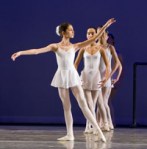 There is another important caveat about the largest schools that is important to take into calculation. Whether intentionally or not, they will often take credit for a beautifully trained dancer who they did not truly create. That happens most often when an advanced dancer from a small-town school goes to a major school for a final year of finishing. (Remember
  A new documentary is in the works from Rhee Gold of The Gold School. This six-part series, titled
 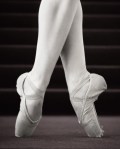 Unless you’re regularly receiving full scholarships for your dance tuition and sponsorships for your dance gear and other expenses, you may have heard your parents grumble more than once about the high cost of paying for your ballet (or jazz, or contemporary …). There are lessons, shoes, practice clothes, travel expenses, costumes and many other items to pay for in order to keep you in training.
 Have you been accepted to more than one SI? Congratulations! If your parents are considering allowing you to attend but you (or your parents!) are feeling clueless about how to choose one, read on to hear how to find your best summer training experience.
 Thinking about North Carolina School of the Arts for your summer program? And We Will Dance is a documentary about four dancers at the school and their pursuit of dance. Check out the trailer
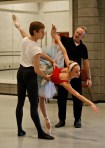 Dancing in a great college program gives you the opportunity to refine your dancing to a professional level through one major while preparing for a “back-up” career with a second major – or to continue doing what you love while pursuing your academics. But as a student making plans for
  Dance Teacher Magazine is seeking student submissions for their 2011 Dance Teacher Awards. Exceptional teachers may be honored by a Dance Teacher Award at the 2011 Dance Teacher Summit! Click
  A brand new series will soon be presented by Dance(212)! And this time they’ll be focusing exclusively on ballet students’ summer intensive experiences. Check out the preview
 Day in and day out you take class, hear corrections, try to apply them, go to rehearsals, wear out practice clothes and shoes and basically invest countless hours and dollars into your dance education. What’s it all for? For some of you, it’s an excellent way to become physically proficient at a fun sport and art while developing a close group of friends. For others, it’s a stepping stone to your ultimate goal: a professional dance career.
 If you haven’t been regularly checking
  BalletScoop